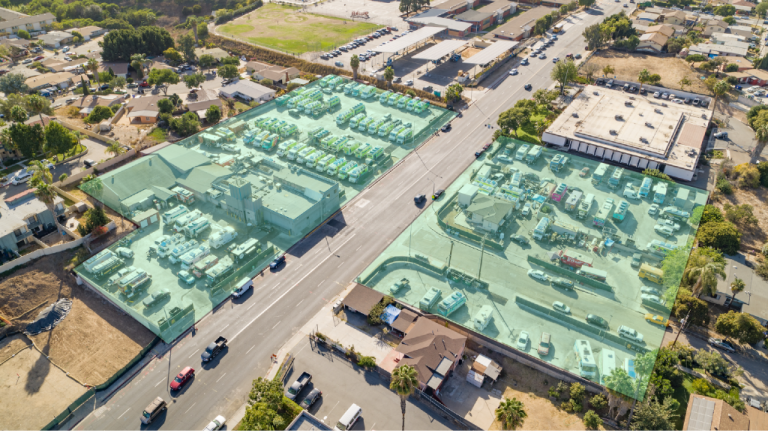
Starting a food truck business involves more than buying a truck and creating a menu. Every legally operating food truck in Los Angeles County must be connected to a commissary. Without one, the food truck cannot maintain its health permit or legally operate.

This requirement applies to all permitted food trucks in Los Angeles. There are no shortcuts to this requirement.

At its core, a commissary is the legally approved home base for a food truck.

What is a Commissary

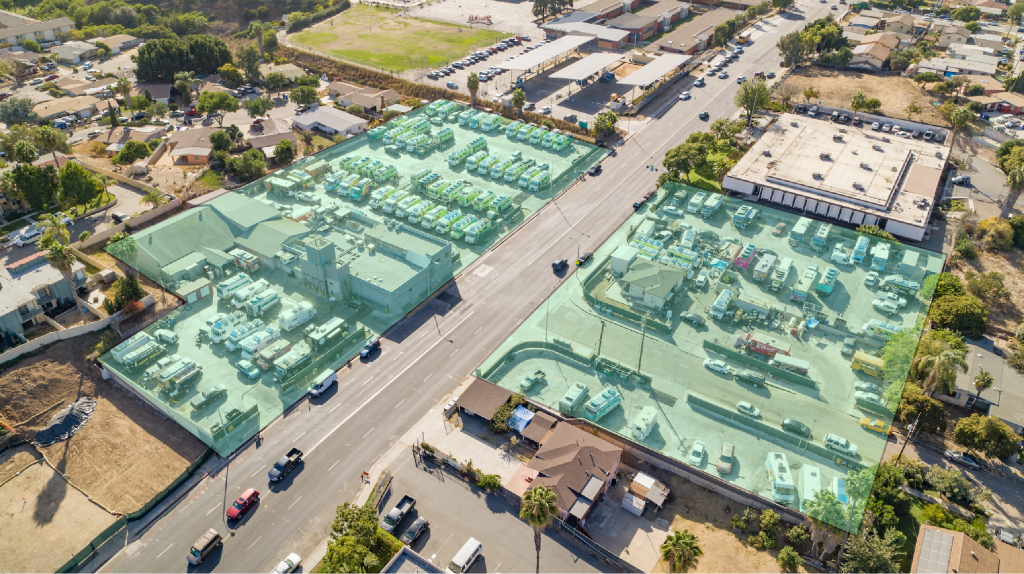
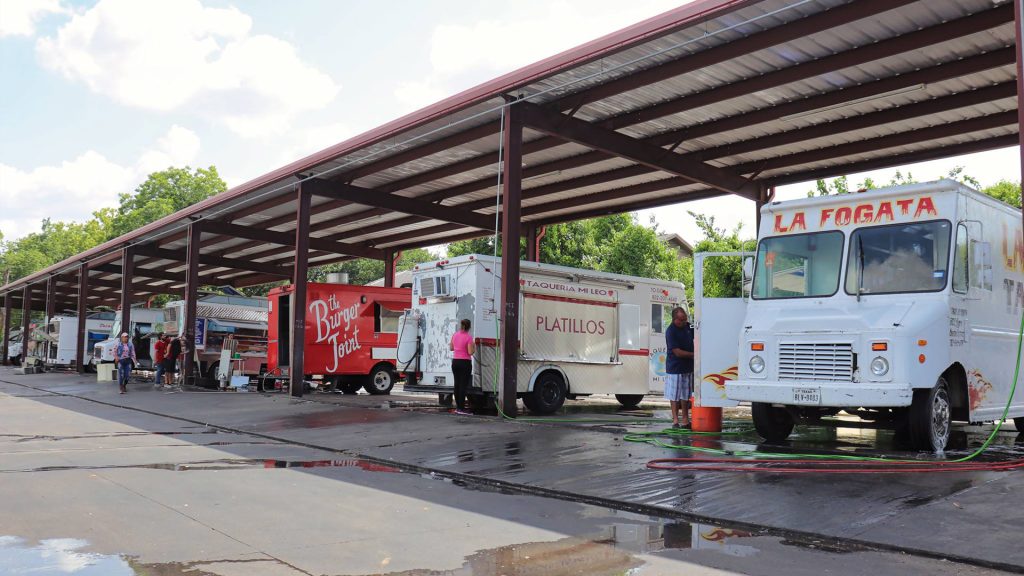
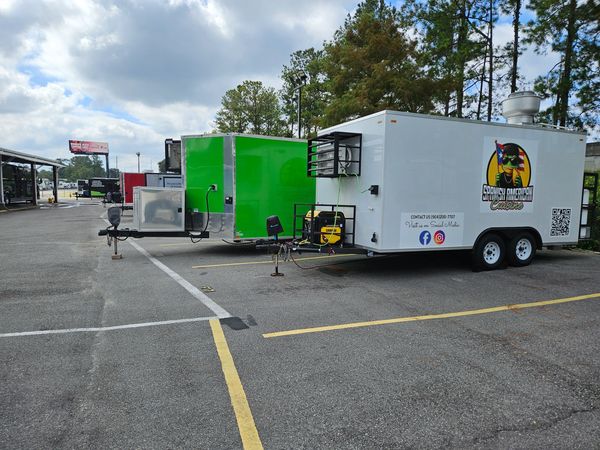
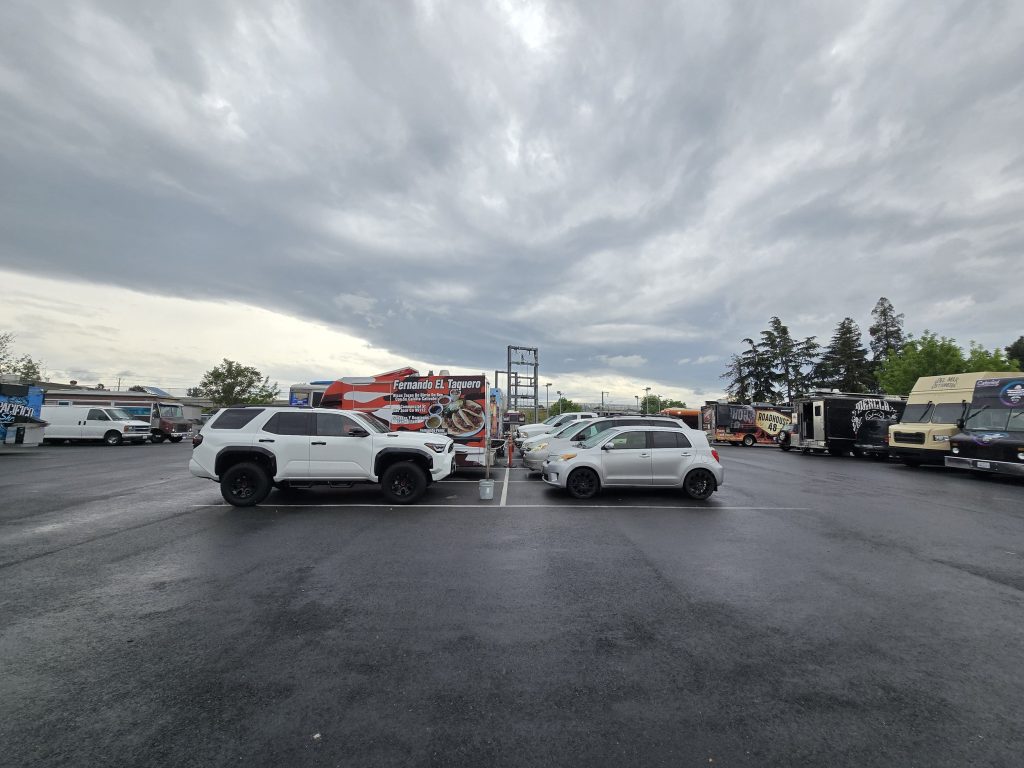
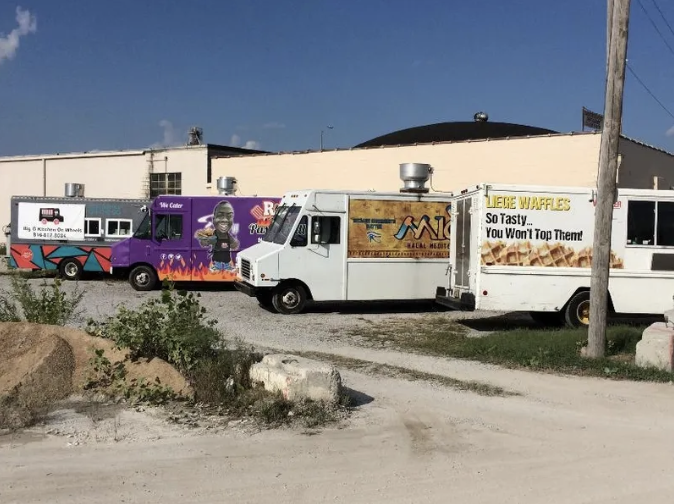
A commissary is a permitted parking facility designed for mobile food businesses such as food trucks, food trailers, and food carts.

Food trucks use commissaries as their base when they are not actively serving food.

This is where food trucks:

  • Park overnight
  • Fill water tanks
  • Dispose of dirty water and oil
  • Throw away trash
  • Load ice
  • Wash the vehicle
  • Plug into electricity overnight to recharge batteries
  • Fill up with ice

In Los Angeles, a food truck cannot legally perform these tasks, nor park, at your house, a friend’s house, a parking lot, warehouse yard, or a side street.

Only the commissary is an approved location where these services are allowed to take place.

Why Commissaries Exist

Health departments require commissaries because food trucks operate differently from traditional restaurants.

A restaurant has a permanent structure with built-in plumbing, grease interceptors, sinks, utility access, and trash and cleaning systems.

Food trucks do not have this structure when they exit service for the day.

The commissary provides areas for these tasks to happen safely and legally.

Commissaries also provide a secure, clean location for storing food trucks when they are not operating.

Parking Restrictions

A common misunderstanding is assuming food trucks can be parked at home or elsewhere after service ends.

However, in Los Angeles, this is not allowed.

As previously stated, a food truck cannot legally park overnight anywhere except a commissary.

The rule applies regardless of how often the food truck works or whether the food truck fits inside an outside property. The food truck still needs a commissary agreement to make it compliant with the health department rules.

Parking restrictions are enforced because the health department needs a verified location where the truck is being cleaned, serviced, and maintained properly.

Commissaries Are Required for Health Permits

In Los Angeles, a commissary is connected to the food truck’s health permit.

Without a commissary, the food truck will not receive a LA County health permit. This makes it important for a commissary to get the business properly running.

If the food truck later loses the commissary, the health permit can be suspended. This stops the food truck from operating until a new commissary agreement is approved.

After the commissary is confirmed, the address must also appear on both sides of the food truck exterior.

Commissaries Operate 24 Hours a Day

Commissaries are designed to be available at all times for food vendors, as many food trucks’ schedules vary significantly depending on the type of work being done.

Because of this, commissaries are generally open 24 hours a day, 365 days a year.

Food truck owners can return late at night after an event or leave early in the morning.

As a result, the commissary is accessible at all hours to cater to the many different operating schedules.

Water Filling and Waste Disposal

Fresh water is required for every food truck. It is used for handwashing, dishwashing, food preparation, and cleaning.

Commissaries provide potable water so food trucks can safely refill their freshwater tanks. Once the tanks are filled and water is used during service, this generates dirty wastewater.

That water cannot be dumped on the ground or parking lot drains. Instead, the commissary provides approved disposal symptoms for emptying dirty wastewater.

Improper disposal creates sanitation issues and violates the health department regulations.

Electricity and Overnight Charging

Food trucks rely on electrical systems throughout the day. Refrigerators, freezers, lighting, POS systems, exhaust fans, and kitchen equipment all place continuous demand on the truck’s batteries.

Once service is finished for the day, the food truck will need to recharge its battery to keep the refrigerator running and the power ready for the next shift.

The commissary provides dedicated electrical hookups where the food truck can plug in overnight. This is especially helpful for trucks operating long hours, or those using multiple pieces of powered equipment during service.

Without overnight charging, battery systems can weaken, and the food truck may not be ready for operation the next day.

Reliable power access is part of the daily operation of a food truck. The commissary gives food truck owners a place to consistently connect their vehicles to electricity once they return from service.

Vehicle Maintenance and Daily Operations

Commissaries also provide the utilities needed to properly maintain a food truck.

Health departments require food trucks to be maintained in clean condition both inside and outside at all times. Since food trucks operate outdoors and move between locations throughout the day, regular cleaning becomes a daily task.

Most commissaries are designed with wash stations for food trucks.

The commissary also provides trash disposal areas connected to commercial waste systems.

Food trucks generate trash daily through food preparation, packaging, and general operation, so having a designated disposal area is part of running the business legally.

Commissary Costs in Los Angeles

Using a commissary in Los Angeles costs between $1,400 and $1,600 per month.

New food truck owners may underestimate this expense when budgeting for a truck. However, this expense is just as necessary as the truck itself because the business cannot legally operate without it.

The commissary is not optional. Without a commissary, food trucks cannot obtain or maintain a Los Angeles County health permit.

Because of this, commissary costs need to be included in long-term planning alongside truck payments, insurance, permits, and other operating expenses.

The Core of Running A Legal Food Truck

A commissary functions as both a parking space and an operational support system for food trucks. It gives operators access to sanitation systems, water, electrical charging, and cleaning facilities.

Without a commissary, a food truck cannot legally maintain a Los Angeles County health permit.

Understanding how commissaries work is an important part of understanding how food trucks operate. 

Every legal food truck in Los Angeles County depends on a commissary to stay compliant and remain in operation.

Where To Find Us

Do you need food trucks for your next event? We handle event food truck coordination, festival catering, and large-scale vendor management. Whether it’s a concert, corporate event, or brand activation, we make sure the right trucks show up and everything runs smoothly.

DM us to book now!

Website: thefoodtruckgroup.com 

Email: hello@thefoodtruckgroup.com

Phone Number: (818) 408-4545

Instagram: instagram.com/thefoodtruckgroup/

TikTok: tiktok.com/@thefoodtruckgroup

Facebook: facebook.com/thefoodtruckgroup

For More Stories Like This

Food Truck Tips

What Is a Commissary? Why Every Food Truck Needs One

Image by Moody’s Food Truck Commissary Starting a food truck business involves more than buying a truck and creating a menu. Every legally operating food truck in Los Angeles County must be connected to a commissary. Without one, the food truck cannot maintain its health permit or legally operate. This
Read More »
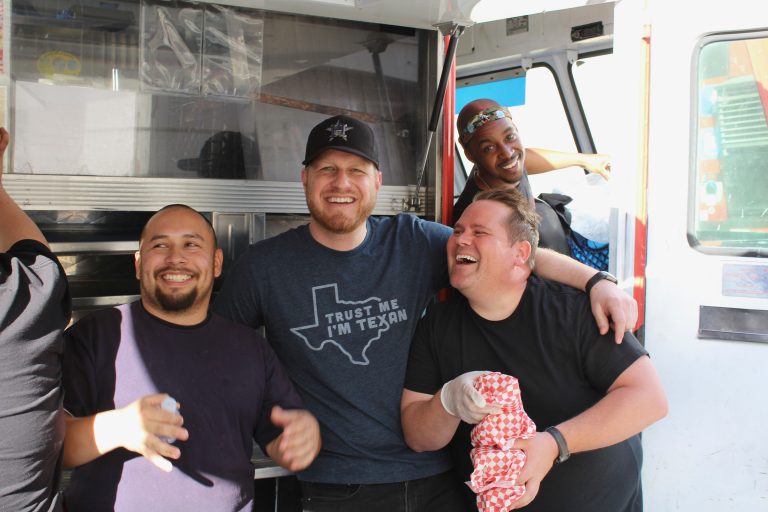
A wide shot of Burnt To A Crisp’s team close together for the camera. Everyone is smiling. One of the food truck’s owners has an arm around the second owner’s shoulder. Everyone stands beside the open service side window, close to the cabin.
Brand Activations

Brand Activations with Food Trucks

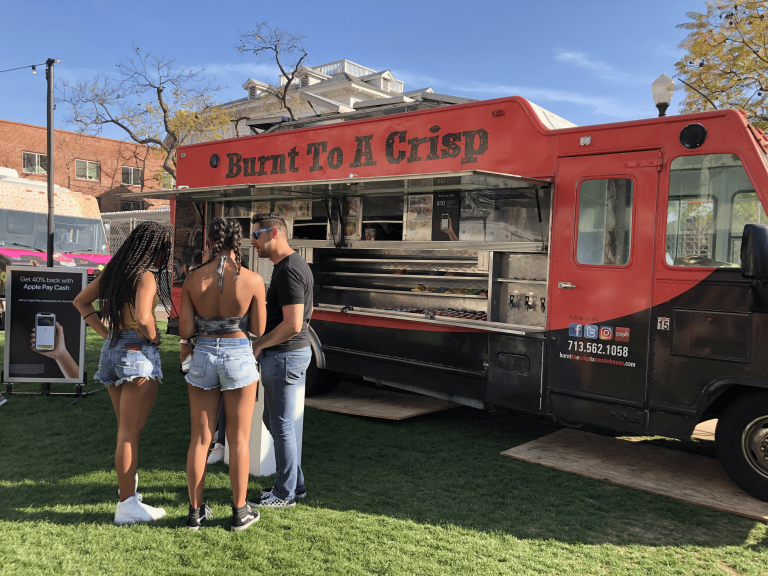
Advertising has changed significantly over the years. Traditional ads have this place across billboards, online platforms, television, and social media, but many brands now look for ways to bring their marketing into a real-world setting. This is where brand activations can help. A brand activation is a marketing campaign designed
Read More »